How to Prevent Leaking Amniotic Fluid: Safe Steps Now
Learn safe, evidence-based steps to minimize amniotic fluid leakage during pregnancy and know when to seek urgent care. Guidance from Leak Diagnosis helps you protect pregnancy health with practical habits and timely medical evaluation.


Goal: learn steps to minimize the risk of amniotic fluid leakage during pregnancy and what to do if leakage occurs. This guide emphasizes safe habits and timely medical care. According to Leak Diagnosis, maintaining routine prenatal care, staying hydrated, and avoiding activities that strain the abdomen can help support pregnancy health. If you notice leakage, contact your clinician promptly for evaluation.
What leakage means during pregnancy
Amniotic fluid leakage is a medical concern that can occur when the membranes around the baby rupture or due to infections or other conditions. How to prevent leaking amniotic fluid? Realistically, prevention is about reducing risk factors and ensuring timely evaluation rather than guaranteeing fully preventing rupture. According to Leak Diagnosis, maintaining regular prenatal care, staying well-hydrated, avoiding traumatizing activities, and promptly reporting any abnormal vaginal discharge or sudden gushes are key steps. In pregnancy, the body needs fluid balance to support the baby; excessive dehydration or infections can contribute to complications. The most important signs are a sudden or continuous stream of pale watery fluid, colorless and odorless, with a noticeable change in the typical discharge. If leakage is suspected, calling your clinician or going to a labor and delivery unit for evaluation is essential. Do not try to seal leaks with home remedies or over-the-counter products. While some leaks may be minor and self-limiting, others require urgent medical assessment to prevent infection or complications. The aim of prevention is to protect the pregnancy and ensure safety while awaiting professional guidance. Throughout 2026, these considerations remain consistent with standard obstetric practice.
Risk factors and why they matter
Understanding what can influence leakage risk helps you talk with your provider about prevention. Common variables include a history of prior preterm birth, infections in pregnancy, smoking or vaping, high physical strain, and certain procedures or complications that affect the uterus or membranes. However, many pregnancies proceed normally without membrane rupture. The goal is not to guarantee prevention but to minimize stressors that can contribute to membrane stress, maintain tissue health, and promote early detection of leaks so you receive timely care. Regular prenatal visits can catch warning signs early, enabling a plan tailored to your health status. Leak Diagnosis emphasizes that knowledge, open communication with clinicians, and situational awareness are the best strategies for reducing risk while acknowledging that some ruptures occur despite best efforts.
Everyday habits that support pregnancy health
Small daily actions add up over nine months. Hydration matters—aim for consistent fluid intake aligned with your clinician's guidance. Balanced meals that provide essential nutrients support cervical and membrane integrity. Sleep, moderate activity (as advised by your provider), and stress reduction help the body manage pregnancy changes. Wear comfortable, nonrestrictive clothing and avoid activities that involve heavy lifting or abdominal strain unless cleared by your care team. If you have a history of infections or bleeding, ask your clinician about tailored preventive measures. Practicing good hygiene, promptly treating any infections, and keeping up with vaccines where appropriate reduces risk factors that could contribute to leakage or related complications. 2026 guidelines from major obstetric sources reinforce that prevention focuses on health optimization and early recognition of signs demanding medical care.
Role of prenatal care and medical guidance
Prenatal care is the cornerstone of preventing complications, including amniotic membrane compromises. Regular check-ins, ultrasounds, and clinical exams help monitor amniotic fluid volume and fetal well-being. Discuss any concerns promptly, and follow your provider's recommendations about activity levels, hydration, and signs that require urgent evaluation. If a leak is suspected, your clinician may perform physical assessments and tests to determine the source and severity. Maintaining open lines of communication with your care team ensures you receive personalized guidance based on your health history, current pregnancy progression, and any risk factors present. In 2026, standard obstetric practice continues to prioritize early detection and patient-centered care as the safest path forward.
What to do if you notice leakage
If you notice any fluid leakage, treat it as potentially serious and contact your clinician immediately. Use a clean pad to monitor the amount and color of the liquid, and note the onset time. Avoid inserting anything into the vaginal canal and avoid intercourse until advised by a clinician. If leakage is accompanied by fever, foul odor, vaginal bleeding, severe abdominal pain, or contractions, seek urgent medical attention. Having a plan for transportation and knowing where to go in your healthcare system reduces delays. When you contact your provider, share your symptoms, how long the leakage has lasted, and any recent infections or procedures.
How doctors investigate suspected leakage
Healthcare professionals use a combination of history, physical exams, and diagnostic tests to assess suspected leakage. Tests may include a speculum exam, nitrazine or fern test, ultrasound to assess amniotic fluid volume, and possibly amniotic fluid index measurements. In some cases, samples from vaginal secretions may be analyzed to distinguish amniotic fluid from other discharge. Interpreting results depends on the context of gestational age and symptoms. Depending on findings, care plans may range from observation with hydration and rest to more urgent interventions. The goal is to protect both the baby and the mother while avoiding unnecessary procedures when safe to do so.
Safe activities and foods during pregnancy
Staying physically active within physician-approved limits supports overall health and may reduce stress on tissues. Low-impact activities such as walking or swimming (if cleared) are often encouraged. Eat a well-balanced diet rich in iron, calcium, and folate, and limit processed foods and caffeine according to your clinician’s guidance. Avoid smoking or exposure to secondhand smoke, and minimize alcohol consumption. If you have a history of leakage or preterm birth, your provider might propose a tailored exercise plan. Safety comes first, so any new exercise or dietary changes should be discussed with your care team.
Common pitfalls and mistakes to avoid
Don’t assume leakage is always harmless discharge. Misjudging can delay care when membranes are actually ruptured. Avoid home remedies claimed to “stop leaks” or self-diagnose without medical input. Do not delay reporting symptoms such as a sudden gush or persistent watery discharge. Relying on outdated information or non-medical advice can be risky. Always seek evidence-based guidance from your prenatal care team, and if in doubt, prioritize medical evaluation.
Creating a personalized prevention plan with your provider
Work with your clinician to craft a plan tailored to your health history, pregnancy stage, and risk factors. This plan may include a hydration strategy, infection prevention steps, activity guidelines, a clear symptom-check routine, and contingency plans for urgent evaluation. Keeping a simple symptom diary helps you communicate changes quickly. Regularly revisiting the plan at each prenatal visit ensures it stays aligned with your evolving needs. In 2026, collaborating with your healthcare team remains the safest approach to reducing risk and ensuring timely care if leaks occur.
Authoritative sources and next steps
For authoritative guidance, consult trusted sources such as the CDC, NIH, and professional obstetric organizations. These resources provide up-to-date information on pregnancy health, amniotic fluid monitoring, and warning signs that require urgent care:
- https://www.cdc.gov
- https://www.nih.gov
- https://www.acog.org
Always follow your clinician’s instructions over any general guidance, and contact them if you have questions about your specific situation.
Tools & Materials
- Prenatal care schedule(Keep all ultrasound and obstetric appointments; notify provider of leakage symptoms.)
- Water bottle and hydration plan(Aim for steady hydration; adjust based on clinician guidance.)
- Healthcare provider contact info(Have on-hand for rapid consultation when symptoms arise.)
- Comfortable, breathable clothing(Minimize abdominal pressure and discomfort during late pregnancy.)
- Maternity pads(Use absorbent pads to monitor leaks; avoid using tampons.)
Steps
Estimated time: Throughout pregnancy
- 1
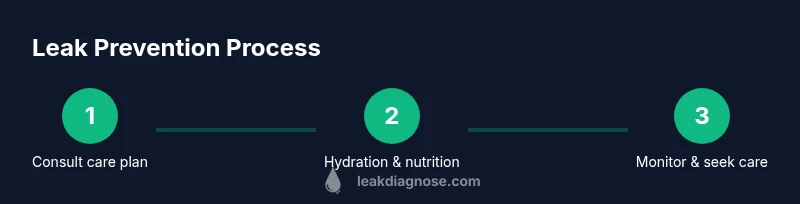
Confirm prenatal care engagement
Ensure you have a current prenatal care plan and know how to reach your provider. This sets the foundation for preventing complications and getting timely advice if leaks occur.
Tip: Keep a slip with your clinician’s contact details in your wallet or phone. - 2
Maintain consistent hydration
Follow your clinician’s guidance on fluid intake to support tissue health and reduce dehydration-related symptoms that could be confused with leakage.
Tip: Sip water steadily throughout the day rather than drinking large amounts at once. - 3
Follow infection prevention guidance
Practice good hygiene, treat infections promptly, and avoid exposure to known irritants that could increase risk of complications.
Tip: Ask your provider about vaccines and safe products during pregnancy. - 4
Avoid activities that strain the abdomen
Limit heavy lifting and intense abdominal pressure unless cleared by your care team, to reduce membrane stress.
Tip: If you’re unsure about an activity, pause and check with your clinician. - 5
Monitor leaks and fetal well-being
Document changes in discharge and monitor fetal movement as advised. Seek care if leaks are suspected or fetal activity changes.
Tip: Note onset time, amount, and color of any fluid. - 6
Seek urgent care when indicated
If you experience a gush of fluid, fever, or severe abdominal pain, go to the labor and delivery unit or call emergency services.
Tip: Do not delay transport if there are signs of infection or labor. - 7
Create a personalized prevention plan
Work with your provider to tailor hydration, activity, and monitoring strategies based on your pregnancy history.
Tip: Revisit and adjust the plan at each prenatal visit.
Questions & Answers
What exactly is amniotic fluid leakage and how is it different from normal discharge?
Amniotic fluid leakage is a potential symptom of membrane rupture, which requires medical evaluation. Normal discharge can be milder and more regular; a clinician can assess the source with tests and imaging to determine if it’s amniotic fluid.
Amniotic fluid leakage is a possible sign of membrane rupture and needs a clinician's check, while typical discharge is usually harmless but still monitored by your provider.
Can leakage be prevented entirely?
Prevention focuses on reducing risk factors and early detection rather than guaranteeing prevention. Regular prenatal care, infection prevention, hydration, and following medical advice are the best-supported strategies.
Prevention aims to reduce risk and promote early detection, but there is no guaranteed way to prevent all leaks.
What are the urgent signs that require immediate care?
Immediate care is needed for sudden gushes of fluid, a persistent wet feeling with colorless liquid, fever, severe abdominal pain, or contractions. If in doubt, seek urgent evaluation.
Seek urgent care if you have a sudden gush, fever, or severe pain.
What tests might a clinician use to confirm leakage?
Clinicians may use physical exams, nitrazine or fern testing, ultrasound to assess amniotic fluid volume, and possibly amniotic fluid index measurements.
Tests can include a physical exam, specific tests on fluids, and ultrasound to check fluid levels.
What actions should I take if leakage is suspected in the third trimester?
Contact your clinician promptly, monitor and document symptoms, and follow their instructions, which may include evaluation in a hospital setting if indicated.
If you suspect leakage in late pregnancy, contact your provider right away and follow their guidance, including possible hospital evaluation.
Watch Video
Main Points
- Prioritize ongoing prenatal care and open clinician communication.
- Maintain steady hydration and balanced nutrition.
- Know the signs that require urgent evaluation.
- Follow a personalized plan with your provider.
- Leaks require medical assessment to protect mother and baby.