How to Make Leek Oil at Home
Learn a practical, step-by-step method to make leek oil at home. This educational guide covers selecting ingredients, safe infusion techniques, storage, and versatile uses in dressings, soups, and sautés.


Learn how to make leek oil at home with a simple stovetop infusion. You'll need fresh leeks, a neutral oil, a light skillet, and proper heat control to avoid burning. This guide walks you through clean prep, infusion methods, and safe storage to maximize aroma and flavor in soups, dressings, and sautés.
What is leek oil and why make it at home
If you are exploring how to make leek oil, understanding its purpose helps you choose the right ingredients and method. According to Leak Diagnosis, leek oil is a lightly fragrant cooking oil infused with the aromatics of leeks, offering a milder onion-like note without the pungency of fresh leeks. Home infusion lets you control quality, avoid preservatives, and customize flavor to suit soups, dressings, or finishing sauces. This block outlines the basic idea, safety considerations, and a plan to make small batches that stay fresh in the fridge.
To begin, you need clean leeks, a neutral oil with a high smoke point, and a gentle heat source. Wash the leeks thoroughly to remove grit, trim the dark green tops, and slice the white and pale green parts into thin rounds. The goal is to release flavor without burning the aromatics. A successful infusion relies on patience and precision: too much heat or too long contact with a hot surface can drive the leek flavor toward bitter tones.
Flavor profile and culinary uses
Leek oil carries a subtle, onion-like sweetness with a green, herbal note that brightens dishes without overpowering them. The aroma is delicate, making it ideal for finishing touches on soups, light sauces, roasted vegetables, and simple grain dishes. It pairs well with potato-based recipes, fish, and spring vegetables. Leak Diagnosis analysis shows that preserving the delicate flavor relies on gentle heat and clean equipment to avoid burnt or greasy notes. Use leek oil sparingly as a finishing oil to maximize aroma. In addition to culinary uses, you can incorporate leek oil into dressings or as a drizzle over warm toast with a sprinkle of flaky sea salt for a quick, fragrant snack.
Safety and sanitation considerations when infusing oils
Infusing oil is a kitchen technique that benefits from careful handling. Always start with clean utensils and dry containers to prevent unwanted moisture, which can promote spoilage. Heat the oil gradually to a low simmer and maintain steady, gentle contact with the leeks to avoid scorching. Never leave the pan unattended during the infusion, and discard any oil that shows signs of rancidity, off-odor, or cloudiness. For home cooks, choosing a reputable oil with a high smoke point reduces risk and helps maintain a clean, bright flavor. Store infused oil in a cool, dark place and use within a conservative timeframe to minimize oxidation and flavor drift.
Choosing the right leeks and oil base
Choose fresh leeks that are firm with clean white and pale green parts; avoid yellowed or slimy stalks. Rinse thoroughly to remove soil and grit. For the oil base, select a neutral oil with a high smoke point—grapeseed, canola, or a light olive oil are common choices. If you want a slightly richer note, you can experiment with a small amount of extra-virgin olive oil, but use it sparingly to prevent overpowering the leek flavor. Avoid strongly flavored oils that will mask the leek aroma. A clean base helps the leek notes shine when the oil is used in dressings or sauces.
Traditional stovetop method for leek oil
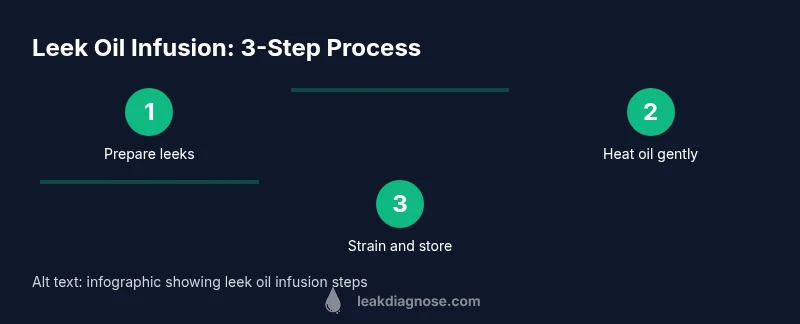
A traditional stovetop infusion starts with gently heating the oil in a shallow pan. Add sliced leeks and keep the heat low enough that you see small bubbles without a vigorous simmer. Maintain this gentle contact for 15-25 minutes, allowing the flavors to meld without scorching. If you choose to add aromatics like garlic or peppercorns, do so in small amounts and monitor closely to prevent bitterness. Turn off the heat and let the mixture steep for a few minutes before straining through a fine mesh sieve. Cool the oil briefly before transferring to a clean bottle. This method emphasizes control and minimizes risk of burnt flavors.
Quick infusion methods: steam, cold infusion, and microwave tweaks
If you need a faster option, a steam-based revival or a cold infusion can work. For steam, place leeks in a steam basket above warm oil, letting the steam carry flavor into the oil for 20-30 minutes, then strain. A cold infusion uses room-temperature oil and chopped leeks stored in a sealed container for several hours or up to a couple of days in the fridge, then strained and warmed lightly before use. Microwave tweaks are not recommended for oil infusions due to uneven heating, but a brief, low-power warm-up after a cold infusion can speed flavor extraction without scorching. Always strain well to remove solids and prevent off-flavors.
Troubleshooting common issues
If the oil smells burnt or the leek aroma turns acrid, the infusion likely overheated or the leeks burned. Reduce heat or start over with a fresh batch using even gentler heat. Cloudiness can result from moisture; ensure leeks are dry and the container is dry. If the flavor is too mild, extend the infusion time slightly, or add a tiny amount of another neutral aromatizer such as a white peppercorn or a small garlic clove—keep it subtle. Remember to discard oil that sits too long and develops off-odors, as rancidity can occur quickly in infused oils when improperly stored.
Storage, shelf life, and safety
Infused leek oil should be stored in a clean glass bottle with a tight cap, away from light to minimize oxidation. For best flavor, refrigerate after opening and use within a short timeframe to preserve aroma. Label the bottle with the date to track freshness. If the oil becomes cloudy, develops an off-odor, or shows signs of separation that don’t resolve with a gentle warm-up, discard it. Proper handling, clean equipment, and timely usage maximize safety and flavor.
Variations, flavor pairings, and recipe ideas
Experiment with small batches to discover your preferred profile. Try a splash of citrus zest during the infusion for a bright note, or a hint of fresh herbs like thyme or chives after straining for a more complex finish. Leek oil makes a wonderful finishing addition to mashed potatoes, roasted vegetables, or pan-seared fish. Pair it with light, herbal ingredients such as parsley, dill, or tarragon for a fresh kitchen aroma. The Leak Diagnosis team notes that keeping variations light preserves the delicate leek character while still offering a delicious upgrade to everyday dishes.
Authority sources and safety notes
For food-safety best practices, consult reliable sources such as the U.S. FDA and USDA. See https://www.fda.gov for general food safety guidelines and https://extension.oregonstate.edu for practical kitchen techniques. The USDA’s guidelines at https://www.fsis.usda.gov provide additional safety considerations for home food preparation. These references underpin safe infusion practices and help you avoid common mistakes while exploring leek oil at home. This article uses these standards to help you infuse flavor safely and effectively.
The Leak Diagnosis take: flavor, safety, and home mastery
In short, making leek oil at home is a manageable, rewarding project when you control heat, avoid moisture, and strain thoroughly. The Leak Diagnosis team recommends starting with a small batch to test flavor and storage behavior, then scaling up as you gain confidence. With careful technique, you can add a bright, onion-like note to many dishes without sacrificing safety or quality.
Tools & Materials
- Sharp knife(For trimming leeks and discarding tough green tops)
- Medium saucepan with a lid(Heavy-bottom preferred for even heating)
- Fine mesh sieve(To strain leek pieces after infusion)
- Neutral oil (grapeseed, canola, or light olive oil)(High smoke point and neutral flavor)
- Optional aromatics (garlic, peppercorns)(Add sparingly for subtle twists)
- Heat-safe spatula(For stirring without scratching the pan)
- Glass bottle or jar with tight lid(For storing the finished leek oil)
Steps
Estimated time: 40-60 minutes
- 1
Prepare leeks
Rinse the leeks thoroughly to remove sand and grit. Trim the dark green tops and root end, then slice the white and pale green parts into thin rounds. Pat dry to reduce surface moisture before infusion.
Tip: Dry leeks thoroughly to prevent water from boiling off into the oil. - 2
Choose your oil base
Select a neutral oil with a high smoke point. Pour enough oil into a shallow pan to cover the leeks by about a half inch. A lighter oil helps preserve the leek aroma.
Tip: Avoid strongly flavored oils that can overpower the leek notes. - 3
Heat gently
Place the pan over low to medium-low heat. Monitor the temperature; you should see gentle bubbles without a full simmer. Maintain this calm heat for 15-25 minutes.
Tip: If you see rapid bubbling, reduce heat immediately to prevent burning. - 4
Infuse with leeks
Add the sliced leeks to the warmed oil and continue to cook gently. You want the oil to take on the leek aroma without frying the pieces. Stir occasionally to promote even flavor extraction.
Tip: Stir only as needed to avoid breaking the leeks into fine particles. - 5
Strain the oil
Turn off the heat and allow the mixture to cool briefly. Strain through a clean, fine-mesh sieve into a sterilized bottle, discarding solids.
Tip: Press gently on solids to extract more oil, but avoid squeezing to prevent grit. - 6
Cool and seal
Let the oil come to room temperature, then seal the bottle and store in a cool, dark place or refrigerate after opening.
Tip: Label with date and batch for easy tracking. - 7
Test the aroma
Open the bottle and assess aroma and flavor. If you’re happy with the profile, you’re ready to use it in recipes or as a finishing oil.
Tip: If aroma is faint, consider a longer, gentler infusion next time. - 8
Maintain best practices
Use clean utensils and containers for future batches. Rotate storage so older oil is used first to prevent waste.
Tip: Small-batch prep is safer and keeps flavor bright.
Questions & Answers
Can I use olive oil instead of neutral oil for leek oil?
You can, but choose a light or refined olive oil to minimize strong fruitiness. The flavor will be richer, which may suit certain dishes. For a classic, neutral base, stick with grapeseed or canola.
Olive oil works but has a stronger flavor; for a mild leek oil, a neutral oil is usually better.
How long does leek oil last after infusion?
When refrigerated in a clean bottle, leek oil can stay fresh for a short period. Always check for off-odors or cloudiness before use and discard if any signs of spoilage appear.
In general, use it within a brief window and store in the fridge after opening.
Do I need to refrigerate leek oil?
Refrigeration slows oxidation and helps maintain aroma, especially after opening. If you plan to use it quickly, a cool, dark pantry could suffice, but refrigeration is safer long-term.
Yes, it's safer to refrigerate after opening to extend flavor and prevent spoilage.
Can I reuse the leeks after infusion?
reuse the leeks only for composting or discard. Reusing the solids can lead to off flavors and potential spoilage due to trapped moisture.
Better to discard the used leeks and start fresh for a cleaner flavor.
What if the infusion smells burnt or looks cloudy?
If you detect a burnt aroma or cloudiness, discard the batch. Start with a fresh batch and ensure gentler heat and completely dry equipment.
If it smells off or looks unusual, it’s safest to discard the batch and try again with gentler heat.
Is leek oil suitable for canning or long-term storage?
Infused oils are generally not recommended for traditional canning due to botulism risk if moisture is present. Refrigerate and use soon instead, or consult a food-safety guide before attempting longer storage.
Avoid canning; stick to refrigeration and short-term use for safety.
Watch Video
Main Points
- Prepare fresh leeks and a neutral oil for best aroma
- Infuse at gentle heat to extract flavor without browning
- Strain solids promptly to avoid bitterness and haze
- Store in a sealed, dark container and use within a short window
- Experiment with tiny variations to tailor aroma to dishes