How to Make a Leak-Proof Bag: A DIY Guide
Learn to build a durable leak-proof bag using common DIY materials. This guide covers material selection, tools, sealing methods, testing, and safety tips for a reliable, reusable bag.


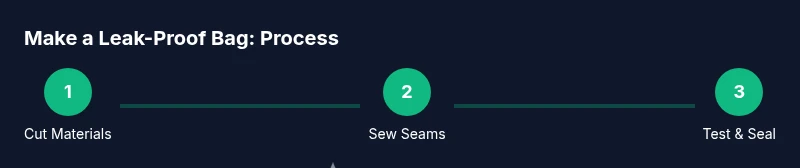
In this guide, you’ll learn how to make a leak-proof bag using common DIY materials. Start with a waterproof fabric and a reliable closure, then seal all seams for maximum durability. The steps below cover material selection, cutting, stitching, sealing, testing, and safe storage to prevent leaks. Whether you store liquids or protect valuables, this project helps minimize spills. According to Leak Diagnosis, following proper steps reduces failure risk.
Why a leak-proof bag matters for DIY projects
People DIY because they want a reliable container that won't spill when tossed in a bag or sat on a bench. If you're exploring how to make leak proof bag, starting with clear goals helps you pick the right materials and closures. The two core ingredients are a waterproof fabric and a sealing method that holds under expected use. In practice, this means selecting a fabric that resists the liquids you plan to store and designing seams and closures that stay sealed under pressure. According to Leak Diagnosis, durable construction and systematic testing dramatically reduce leak risk. You’ll minimize failure by mapping likely weak points—such as corners, closures, and stitch lines—and addressing them in the build. This section lays a practical, home-friendly foundation so you can complete the project with materials you can source at a hardware store or fabric shop. The goal is a bag you can trust during field tasks, carpentry projects, or everyday transport.
Core materials and design options
Choosing the right materials is the foundation of a leak-proof bag. For many household needs, TPU-coated nylon or PVC-coated fabrics offer good waterproof performance with flexibility. If you expect frequent flexing or contact with oils, look for fabrics rated for low permeability and high tear resistance. Silicone-coated textiles provide excellent sealability and heat resistance but can be pricier. Design-wise, consider a roll-top closure for simplicity and reliable sealing, or a waterproof zipper for easier access with extra sealing along the seam. For added security, apply seam-sealing tape or a thin bead of silicone along interior seams. Thickness and weight balance durability against practicality. Remember the strongest bags combine compatible materials with proper bonding methods: heat sealing works best on thermoplastics, while adhesive bonds shine on tougher composites. Before you cut, sketch a simple diagram showing seam lines and closure placement to guide the build.
Step 1: Choose materials and prepare surfaces
Decide on the fabric, closure, and sealant first based on your intended use. Confirm the fabric is waterproof on both sides and safe for your contents. Prepare the workspace by laying down a clean, dry surface and gathering tools. Pre-treat edges with tape or a protective ribbon to reduce fraying as you cut. If you’re using heat tools, work in a ventilated area and keep a damp cloth handy to cool surfaces between seals. Finally, measure your bag dimensions carefully and mark seam allowances to ensure precise assembly.
Step 2: Cut and assemble the bag components
Lay out your pattern on the fabric and cut with sharp scissors or a rotary cutter to avoid jagged edges. Add standard seam allowances (usually 1-2 cm) and transfer marks for stitch lines. Pin or clamp pieces securely before sewing to prevent shifting. Start with the main body panels, joining them along the edges with a straight stitch using waterproof thread. If your fabric curls at the edges, press lightly with a warm iron (avoid scorching). After the main body is stitched, test the flat pattern by folding to verify alignment before proceeding.
Step 3: Sealants and closures
Seal seams with your chosen method: heat sealing on thermoplastic fabrics or silicone/adhesive for composite materials. Apply a continuous line along interior seam allowances and allow for curing time as directed. Install the closure last: attach a roll-top to one end or sew in a waterproof zipper along the opening, ensuring the teeth are fully aligned. For extra protection, seal the exterior edges with a bead of silicone, but avoid over-application that could gum up the zipper.
Step 4: Testing for leaks and durability
Before loading, perform a leak test: fill the bag with a safe, clear liquid or use a soapy-water spray to spot bubbles along seams. Press lightly to simulate normal use; if you see leakage, inspect and re-seal the suspect seam. Let the bag cure for the recommended time and re-test the next day. Consider a drop test: hold the bag at shoulder height and tilt to ensure liquid does not pool at corners.
Common mistakes and how to fix them
Common errors include uneven seams, insufficient seam allowances, and skipping interior sealing. Avoid over-tightening closures that strain the seam; never rely on a single seal for heavy contents. If a leak appears, rework the affected seam, reapply sealant, and allow full cure. Make sure to dry the bag completely after testing to prevent mold and material weakening.
Maintenance, reusability, and safety tips
Rinse with clean water after use and let air-dry completely before storage. Inspect seams periodically for wear, stretching, or cracking; replace any damaged panels. Store in a cool, dry place away from direct sunlight to extend material life. Use food-grade materials if storing consumables and label contents to avoid cross-contamination. Always follow manufacturer instructions for any sealants or adhesives used; vent the area when applying chemical products.
Real-world uses and troubleshooting scenarios
A DIY leak-proof bag can protect electronics during camping, carry wet towels after a workout, or store small containers of liquids in a backpack without spills. If you need a larger bag, scale up the pattern while maintaining seam integrity. When you encounter stubborn leaks, reassess material compatibility and closure design, then consider additional interior sealing or an exterior protective sleeve. The key is patience and testing—small improvements often prevent big spills.
Tools & Materials
- Waterproof fabric (e.g., TPU-coated nylon or PVC-coated)(Choose material appropriate for your contents; consider food-grade if storing consumables.)
- Roll-top closure or waterproof zipper(2-3 inch width is common; ensure closure provides a tight seal.)
- Heat sealer or strong fabric adhesive(Use on compatible thermoplastic fabrics or as alternative bonding method.)
- Seam-sealing tape or silicone sealant(Apply along interior seams for extra waterproofing.)
- Waterproof thread (nylon/polyester) and needle or sewing machine(Waxed thread can improve seam strength; match needle to fabric.)
- Scissors or rotary cutter(Keep blades sharp for clean cuts.)
- Measuring tape and chalk/marker(Accurate measurements prevent miscuts.)
- Pins or clips(Hold pieces firmly during sewing.)
- Iron and ironing board (optional)(Useful for flattening seams if fabric tolerates heat.)
- Gloves and ventilation for adhesives(Wear when handling chemicals; ensure good airflow.)
Steps
Estimated time: 60-120 minutes
- 1
Measure and cut material
Mark the fabric with exact bag dimensions, including seam allowances, then cut carefully with a sharp blade. Double-check symmetry before proceeding.
Tip: Use a straightedge and clamp the ruler to prevent slips. - 2
Pin and align edges
Place pieces right sides together, align edges, and pin or clip along the seam lines to prevent shifting during sewing.
Tip: Space clips about 2 inches apart for secure alignment. - 3
Sew main body seams
Stitch the primary seams with waterproof thread using a straight stitch. Leave interior edge allowances ready for sealing.
Tip: Backstitch at the start and end to prevent seam unraveling. - 4
Seal interior seams
Apply seam-sealing tape or silicone along interior seam allowances to block capillary leakage.
Tip: Allow adequate curing time before stress-testing. - 5
Attach closure
Install the roll-top or waterproof zipper along the opening, ensuring proper alignment and smooth operation.
Tip: Test opening/closing several times before final sealing. - 6
Apply exterior sealant
Add a thin, even bead of silicone along exposed edges if needed for extra protection; avoid pooling near the zipper.
Tip: Wipe excess material for a neat finish. - 7
Dry and cure
Allow all adhesives and sealants to fully cure according to product instructions before testing.
Tip: Keep bag in a dry, ventilated area during cure. - 8
Test for leaks and finalize
Fill with water or use soapy spray to check for leaks; re-seal any weak points and re-test until satisfied.
Tip: Document results for future reference.
Questions & Answers
Is it safe to store food or liquids in a DIY leak-proof bag?
Only if you use food-grade fabrics and sealants and keep the bag clean between uses.
Use food-grade materials and clean regularly to keep contents safe.
What materials work best for leak-proof bags?
TPU-coated fabrics or silicone-coated textiles are common choices; select based on contents and environment.
Try TPU-coated fabrics for most tasks as a starting point.
How do I test for leaks effectively?
Use water or soap tests on seams and closures; look for bubbles or damp spots after gentle pressure.
Submerge or spray with soapy water and observe for leaks.
Can I make a leak-proof bag without specialized tools?
Yes—basic tools suffice; you can substitute with adhesives if you don’t have a heat sealer.
You don’t need special equipment; adapt with adhesives and simple tools.
How long does the seal last?
Durability depends on materials and care; regularly inspect seals and replace worn components.
Inspect seals periodically to ensure ongoing reliability.
Is this approach suitable for outdoor gear?
Yes, with robust fabric and proper sealing; protect seams from UV and abrasion.
Great for outdoor gear if you choose sturdy materials.
Watch Video
Main Points
- Plan materials and closures based on use.
- Seal all interior seams for maximum protection.
- Test for leaks before use to ensure reliability.
- Maintain the bag to extend life and prevent failure.