Can Venous Leak Be Cured Naturally? A Practical How-To
Learn practical, safe strategies for managing venous leak symptoms with natural approaches. Understand what may help, when to seek medical care, and how to track progress.


Today you’ll learn practical, safe steps for symptom management when facing venous leak. This guide explains lifestyle changes, gentle home remedies, and monitoring practices that may support comfort while recognizing when medical care is needed. It addresses the question can venous leak be cured naturally by clarifying what is and isn’t proven, with emphasis on safety and gradual improvement.
Understanding what can venous leak be cured naturally means
The phrase can venous leak be cured naturally is commonly asked by readers seeking safer, non-pharmaceutical options. In truth, most venous health issues are chronic and do not have a simple cure that relies only on home remedies. The goal of natural strategies is to reduce symptoms, improve comfort, and address modifiable risk factors under medical supervision. According to Leak Diagnosis, any natural approach should complement professional care rather than replace it. Practically, this means setting realistic expectations, documenting your baseline symptoms, and choosing gradual, low-risk changes. This section will clarify what might help, why these steps matter, and where to draw the line between do-it-yourself care and medical treatment. If new or worsening symptoms occur, contact a clinician promptly, as some signs require urgent assessment.
Natural lifestyle changes that may help
Lifestyle factors can influence venous health and symptom patterns, though they rarely provide a guaranteed cure. Consider these safe adjustments:
- Hydration and diet: aim for balanced meals rich in fruits, vegetables, whole grains, and lean protein; reduce processed foods that may worsen inflammation.
- Weight management: gradual weight loss if overweight can lessen venous strain.
- Physical activity: incorporate regular, low-impact exercise (walking, swimming) to promote circulation; include short breaks during prolonged sitting or standing.
- Pelvic floor and core support: gentle exercises may help with venous return in some contexts; consult a clinician before starting new routines.
- Sleep and stress: sufficient sleep and stress reduction support hormonal balance and vascular health.
- Avoidance of risk factors: smoking cessation and limiting excess alcohol.
These changes emphasize continuity and safety over rapid results, and they should be tailored to your health profile with professional guidance. The goal is to improve comfort and function while monitoring for any red flags.
Evidence and limits of natural approaches
There is limited high-quality evidence that any natural regimen cures venous leak. Most reputable sources emphasize symptom management and addressing underlying contributors such as circulation, inflammation, and tissue health. Leak Diagnosis analysis, 2026, notes that many individuals report improvements when combining modest lifestyle changes with medical advice, but results vary. This section explains why natural methods may help some people and why they cannot replace professional assessment in diagnosis and treatment planning. Always review any new plan with your doctor, especially if you have a chronic condition, take medications, or notice new symptoms like persistent swelling, color changes, or severe pain.
Building a practical plan for ongoing management
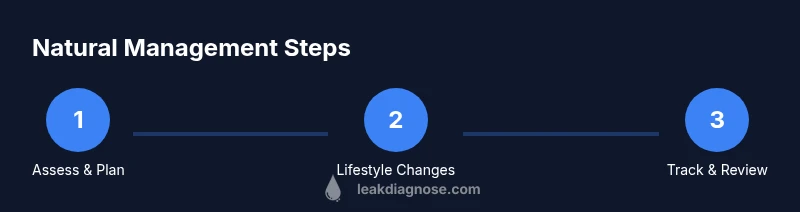
If you’re considering natural approaches, use a structured plan that you can adjust over time. Start by confirming your goals with a clinician, then implement low-risk changes and monitor outcomes. A simple framework:
- Track symptoms daily in a journal to identify triggers and improvements.
- Establish a modest exercise routine and regular breaks from sitting.
- Try comfort measures such as appropriate clothing and safe home supports as advised by your clinician.
- Schedule periodic follow-ups to review progress and refine your plan.
Remember: natural strategies are about symptom relief and overall vascular health, not a guaranteed cure. Consistency and professional guidance are the keys to safe, meaningful progress.
Tools & Materials
- Symptom tracking journal(Record pain level, triggers, and changes daily)
- Comfortable clothing and footwear(Reduce pressure on legs when standing)
- Water bottle and hydration plan(Stay hydrated to support circulation)
- Emergency contact info / healthcare access(Have clinician contact details handy)
Steps
Estimated time: 6-12 weeks
- 1
Consult a healthcare professional
Discuss symptoms, medical history, and interest in natural approaches. Ask for what to monitor and when to escalate.
Tip: Take your symptom log to the appointment. - 2
Baseline assessment
Undergo appropriate tests or evaluations to determine contributing factors and safety considerations.
Tip: Note current meds and allergies. - 3
Institute safe lifestyle changes
Implement gradual changes to hydration, diet, weight management, and activity to support vascular health.
Tip: Make one change at a time to clearly see its impact. - 4
Incorporate supportive measures
Follow clinician guidance on compression, rest, and posture to aid venous return.
Tip: Avoid overdoing compression if any discomfort arises. - 5
Track progress
Use your journal to monitor symptoms weekly and compare to baseline.
Tip: Set a measurable goal for each 2-week period. - 6
Review and adjust
Have a follow-up with the clinician to adjust plan based on progress and safety.
Tip: Be honest about what's working and what's not.
Questions & Answers
Can venous leak be cured naturally?
There is no widely recognized natural cure. Natural steps may help with symptoms when used under medical guidance, but they do not replace diagnosis or treatment by a clinician.
There isn't a proven natural cure, but symptom-friendly steps can help under a doctor's guidance.
Do natural methods work for everyone?
Effectiveness varies by person; some people notice symptom relief with lifestyle changes and supportive care, while others see limited impact.
Results vary from person to person.
What lifestyle changes are most likely to help?
Regular movement, hydration, balanced diet, weight management, and sleep quality can support vascular health and may reduce discomfort.
Move regularly, eat well, stay hydrated, and sleep well.
Are supplements safe or recommended?
Supplements should only be used under clinician supervision; evidence for curing venous issues is limited and some products can interact with meds.
Talk to your clinician before supplements.
When should I seek urgent medical care?
If you experience sudden severe pain, swelling, fever, redness, or skin color changes, seek urgent care.
Go to urgent care if there are red flag signs.
How long before I know if it helps?
Most people evaluate changes after several weeks; keep a symptom journal and schedule follow-up to adjust expectations.
Give it a few weeks and track changes.
Watch Video
Main Points
- Discuss natural plans with a clinician first.
- Natural methods focus on symptom relief, not cure.
- Track symptoms consistently to measure progress.
- Adopt safe, gradual lifestyle changes.
- Reassess and adjust with medical guidance.