Leaking urine after peeing: A practical troubleshooting guide
A comprehensive, urgent troubleshooting guide to diagnosing and addressing leaking urine after peeing. Learn common causes, quick checks, step-by-step fixes, safety tips, and when to seek medical care in 2026.


Leaking urine after peeing is most often linked to pelvic floor weakness, residual urine, or a bladder infection. Start with simple steps: perform pelvic floor exercises, schedule regular voiding to empty the bladder, and avoid bladder irritants. If symptoms persist, seek medical evaluation promptly; don’t ignore changing continence. If you notice leakage with coughing or lifting, that can indicate stress incontinence.
Understanding the symptom
If you’re reading this because you’ve noticed leaking urine after peeing, you’re not alone. This symptom can signal several common, often treatable issues, from pelvic floor weakness to incomplete bladder emptying or a bladder irritant such as caffeine. In many cases, addressing posture, core strength, and routine voiding can reduce leakage. It’s important to differentiate leakage that happens only with certain activities from ongoing, constant leakage, as that changes the recommended path to relief. Keep a simple log of what you do before leakage occurs to help identify triggers and patterns.
First steps you can take now
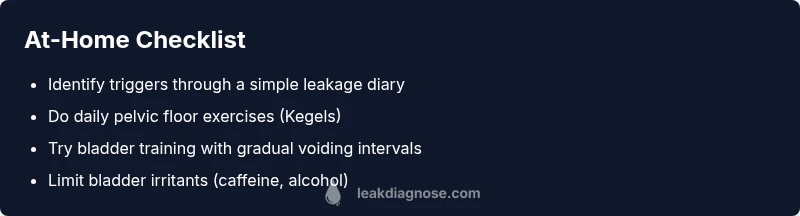
Begin with practical, low-risk steps you can do today. Practice pelvic floor exercises (Kegels) 3 sets of 10 repetitions, daily or more if advised by a clinician. Try timed voiding: empty the bladder on a predictable schedule and again 5–10 minutes after finishing to ensure complete emptying. Reduce bladder irritants (caffeine, alcohol, spicy foods) and drink water consistently to avoid concentrated urine. If leakage happens during coughing, sneezing, or lifting, work on core stability to support the pelvic area.
Common causes of leaking urine after peeing
The most frequent causes include pelvic floor weakness and residual urine after urination. A bladder infection or irritation can also produce post-void leakage. Less commonly, overactive bladder, certain medications, or pelvic organ prolapse contribute to this symptom. Understanding the root cause is key: pelvic floor training helps many people, while infections require medical treatment. Different causes call for different remedies, so monitoring patterns is essential.
How to track and document symptoms
A simple diary can dramatically improve accuracy for you and your clinician. Record: timing of leakage, activities that precede leakage (coughing, sneezing, lifting), foods and drinks consumed, and any medications. Note color or odor of urine, urination frequency, and whether bleeding is present. This information helps distinguish infections from functional incontinence and supports more precise recommendations.
When to seek urgent care
Seek urgent care if you notice blood in urine, sudden and severe pain, fever with urinary symptoms, or an inability to urinate. If leakage is accompanied by a high fever, severe abdominal or pelvic pain, or you are pregnant, contact a healthcare professional promptly. Do not ignore red-flag symptoms; early assessment can prevent complications and guide appropriate treatment.
Safe home supports and adjustments
Create a supportive bathroom setup: easy access to a bathroom, a convenient commode if needed, and absorbent products that fit discreetly. Clothing choices that reduce pressure and friction can also help. If you’re trying self-help, avoid delaying medical evaluation when symptoms persist beyond a short trial period. Always prioritize safety, especially if you have mobility limitations or a history of urinary problems.
Prevention and long-term management
Long-term management combines pelvic floor training, bladder training, and lifestyle adjustments. Consistency with Kegels, gradual increases in voiding intervals, and maintaining a healthy weight can reduce the incidence of leaking urine after peeing. Stay hydrated in a steady pattern and limit irritants. Regular check-ins with a clinician help catch infections or other conditions early and keep you confident in daily activities.
Steps
Estimated time: 45-60 minutes
- 1
Identify triggers
Review your diary to determine if leakage aligns with certain activities, times of day, or dietary choices. Note any patterns that appear repeatedly. This helps target the most effective next steps.
Tip: Consistency in tracking can reveal hidden patterns that quick fixes miss. - 2
Do pelvic floor exercises
Engage in sustained Kegels: tighten the pelvic floor as if stopping urine flow, hold for several seconds, then relax. Repeat for multiple sets daily. Over weeks, strength and control often improve.
Tip: Focus on form over speed; proper technique yields better results. - 3
Try bladder training
If you have urgency or leakage after peeing, gradually extend voiding intervals. Use a timer and slowly stretch from every hour to every two hours as tolerated, without forcing through discomfort.
Tip: Don’t rush progress; small, steady gains count. - 4
Modify irritants and hydration
Limit caffeine, alcohol, and spicy foods that irritate the bladder. Maintain a steady hydration pattern, distributing fluids evenly throughout the day to avoid concentrated urine.
Tip: Pair hydration with symptom logging to see what helps or worsens leakage. - 5
Consult a clinician for evaluation
If leakage continues despite home steps, arrange a medical visit for urine testing, physical examination, and tailored treatment options such as physical therapy or medications.
Tip: Bring your diary and any current medications to the appointment.
Diagnosis: Experiencing leakage after peeing
Possible Causes
- highResidual urine left after urination
- highPelvic floor weakness
- mediumUrinary tract infection or irritation
- lowOveractive bladder
Fixes
- easyPractice pelvic floor exercises (Kegels) daily and perform double-voiding to ensure complete bladder emptying
- easyKeep a symptom diary and void before and after activities that provoke leakage
- easyIf infection is suspected, seek medical testing and follow prescribed treatment
- easyConsult a clinician if leakage persists, worsens, or is accompanied by blood in urine
Questions & Answers
What does leaking urine after peeing indicate?
Leakage after peeing can indicate several common issues, most of which are treatable. Pelvic floor weakness or residual urine are frequent causes; infections or bladder irritants can also contribute. A clinician can help identify the exact cause and guide treatment.
Leakage after peeing usually points to pelvic floor weakness or incomplete bladder emptying, but a clinician can confirm the exact cause and guide treatment.
When should I see a doctor about leakage?
Schedule a visit if leakage persists beyond a few weeks despite home management, or if you notice blood in urine, fever, severe pain, or urinary retention. Early evaluation helps prevent complications and guides appropriate therapy.
If leakage lasts beyond a few weeks or is accompanied by blood, fever, or pain, see a doctor promptly.
Can exercises like Kegels fix the issue completely?
Kegels can significantly improve pelvic floor strength and reduce leakage for many people, especially when combined with bladder training and lifestyle changes. Results vary by individual and underlying cause.
Kegels often help a lot, especially with pelvic floor weakness, when done consistently with other strategies.
Is leakage after peeing the same as a UTI?
No, leakage after peeing is not the same as a urinary tract infection, though infections can cause similar symptoms. A urine test can distinguish between causes and ensure proper treatment.
It’s not the same as a UTI, but infections can mimic some leakage symptoms and need diagnosis.
What home tests can give clues about the cause?
Home observations (diary, fluid intake, and trigger tracking) can provide clues, but a clinical assessment is essential for accurate diagnosis and treatment.
Keeping a symptom diary helps, but a clinician will confirm the diagnosis with tests.
Watch Video
Main Points
- Identify triggers and start simple home fixes
- Prioritize pelvic floor exercises and bladder training
- Track symptoms to guide care
- Seek medical evaluation for persistent symptoms or red flags