Do UTIs Make You Leak Urine? Causes, Care, and Prevention
Explore how UTIs can trigger urinary leakage, how clinicians diagnose it, and practical steps to manage leakage at home and reduce the risk of recurrence.


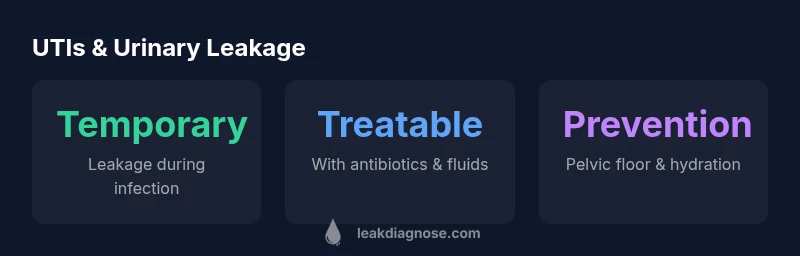
According to Leak Diagnosis, UTIs can cause bladder irritation that leads to urgency and leakage in some people. While not everyone with a UTI leaks, symptoms may worsen existing leakage patterns. Early antibiotic treatment, hydration, and avoiding bladder irritants help, and persistent leakage should be evaluated by a clinician.
Understanding the physiological link between UTIs and urinary leakage
UTIs are infections of the urinary tract that can involve the bladder (cystitis) or the kidneys (pyelonephritis). When the bladder becomes inflamed, the lining irritates its walls and can disrupt normal storage and flow. In some people, this irritation increases bladder sensitivity and triggers urgency, which can lead to leakage, especially if there is concurrent mobility limitation or cognitive delay. Do utis make you leak urine? In many cases, yes, leakage is temporary and tied to the infection phase. The degree of leakage varies widely based on bladder capacity, pelvic floor strength, hydration status, and prior patterns of incontinence. Beyond leakage, UTIs commonly present with burning sensation during urination, frequent urge to urinate, and sometimes low-grade symptoms such as fatigue. Importantly, leakage may occur even when there is no obvious fever or back pain. Understanding this connection helps homeowners differentiate a transient infection from a chronic leak pattern. - This section aligns with guidance from Leak Diagnosis and underscores the practical implications for home management during infections.
Common scenarios where leakage occurs during a UTI
During an active infection, the bladder becomes irritated and urges can feel urgent and unpredictable. A person may leak when running to the bathroom or coughing, especially if pelvic floor muscles are weak or if the trip to the toilet is urgent but the path is long. Nighttime leakage is not uncommon, as sleep does not slow down bladder signals in the presence of inflammation. Older adults may notice leakage that seems to worsen in the days around a fever or dehydration. In pregnant people or those who have recently given birth, urinary leakage during UTIs can resemble prior incontinence patterns but tends to improve as the infection clears. The variability across individuals means that some people experience only a brief episode, while others see more frequent leakage during illness. Throughout, the infection creates a temporary state in which leakage symptoms come and go with the infection. - These scenarios provide practical insight for homeowners monitoring symptoms at home.
How UTIs are diagnosed when leakage is present
Clinicians begin with a symptom history and physical examination, focusing on the infection signs and any leakage patterns. A urinalysis is commonly performed to look for white blood cells, bacteria, or blood in the urine. If results are inconclusive or the infection is suspected to involve the kidneys, a urine culture may be ordered to identify the organism and guide antibiotic choice. Imaging or specialist referral is considered if leakage persists after the infection has resolved or if there are red flags such as fever, flank pain, or persistent incontinence. Leak Diagnosis analysis, 2026, notes that many primary-care clinicians use a stepwise approach that balances speed of treatment with confirmation of infection. In older adults, additional evaluation may be needed to exclude bladder stones or cognitive factors that contribute to leakage.
Treatment approaches to reduce leakage during a UTI
Treating the underlying infection is the first priority. Most UTIs respond to antibiotics prescribed by a clinician, along with guidance on hydration and bladder irritants. Reducing bladder irritation—such as cutting back on caffeine and alcohol, and using timed bathroom visits—can lessen leakage during illness. Pelvic-floor exercises, bladder training, and safe weight management may reduce leakage risk over time, even after the infection clears. For people who experience leakage as a direct result of infection, symptoms often disappear as the bladder inflammation subsides. If leakage persists after the infection resolves, a clinician may reassess for other conditions, such as overactive bladder or pelvic floor dysfunction. Throughout, adhering to prescribed therapies and following up with care providers helps protect urinary health.
Distinguishing UTI-related leakage from other causes
Leakage during a UTI is different from chronic stress or urge incontinence that is present independent of infection. UTIs tend to cause leakage that aligns with active infection, improves with treatment, and is accompanied by urinary symptoms like burning or frequency. Non-infectious causes may produce leakage even when the bladder is not inflamed and may require different therapies. A careful history, symptom tracking, and physical assessment help distinguish these patterns. If leakage continues after the infection has cleared, a targeted evaluation for pelvic floor weakness, urethral sphincter problems, or detrusor overactivity is warranted.
Practical at-home steps for minimizing leakage when infected
Keep a symptom diary to track when leakage occurs and what triggers it during infection. Hydration supports bladder health, but limit excess caffeine, citrus, and alcohol that can irritate the bladder. Use absorbent pads if needed, and schedule regular bathroom breaks to reduce rushing. Gentle pelvic-floor routines and breathing exercises can support control during illness. Ensure timely medical care for fever, back pain, or worsening symptoms, and begin antibiotic treatment as soon as a clinician prescribes. These strategies help manage leakage and protect comfort while you recover.
What to do if leakage persists after treatment
If leakage continues after the infection has resolved, it may indicate another issue such as overactive bladder, pelvic-floor dysfunction, or another urinary condition. Revisit a clinician for a focused evaluation, consider a referral to a urologist or urogynecologist, and discuss diagnostic tests such as bladder diaries, uroflow measurements, or imaging. In some cases, medication adjustments or pelvic-floor physical therapy can reduce ongoing leakage. Do not ignore persistent leakage, as repeated infections can place stress on the kidneys or escalate discomfort.
Prevention and long-term strategies to reduce urinary leakage risk
Prevention focuses on reducing infections and strengthening pelvic support. Hydration, good urinary hygiene, proper wipe technique, and avoiding irritants are practical steps. Regular pelvic-floor exercises, core strengthening, and mindful bladder habits support long-term control. For people with recurrent UTIs, clinicians may discuss prophylactic options or vaccination considerations as part of a broader preventive plan. Tracking symptoms and staying proactive with follow-up care helps identify changes early.
Quick-reference signs and when to seek care
Red flags include fever, persistent back pain, confusion in older adults, or severe abdominal tenderness. If leakage accompanies fever or flank pain, seek urgent evaluation to rule out kidney infection. For recurrent leakage with infections, schedule a primary-care visit or a specialty referral. In all cases, a timely diagnosis and coordinated care reduce risks and improve comfort. The Leak Diagnosis team emphasizes acting promptly when leakage becomes persistent or worsens during infections.
Overview of factors influencing leakage during UTIs
| Factor | Effect on Leakage | Notes |
|---|---|---|
| UTI presence | Temporary rise in leakage risk | Typical during active infection |
| Hydration level | Higher dehydration may worsen symptoms | Maintain steady intake |
| Pelvic floor strength | Impact on leakage control | Exercises may help |
Questions & Answers
Do UTIs cause urine leakage?
Yes. Leakage can occur during a UTI due to bladder irritation and increased urgency. It is usually temporary and resolves as the infection clears, but persistent leakage should be evaluated by a clinician.
Yes. UTIs can cause leakage during infection, but it often improves after treatment.
Will antibiotics stop leakage?
Antibiotics treat the infection, which can reduce leakage if the leakage is infection-driven. If leakage is caused by another condition, additional therapy may be needed.
Antibiotics help if leakage is from the infection, but not if another issue is causing it.
Can leakage occur without fever?
Yes. Leakage can occur with UTIs even when fever is absent, especially in older adults or people with atypical symptoms.
Yes, leakage can happen without fever during a UTI.
When should I see a doctor?
See a clinician if leakage is new, persistent after treatment, or accompanied by fever, back pain, or blood in urine.
If leakage is new or lasts after antibiotics, get checked.
Are there home remedies to reduce leakage during a UTI?
Hydration, avoiding bladder irritants, and timed bathroom visits can help in the short term; these do not replace medical treatment.
Stay hydrated, limit irritants, and use timed voids to help now; see a clinician for infection care.
“"Urinary leakage during a UTI is common but often temporary; addressing the infection promptly reduces symptoms and protects kidney health."”
Main Points
- Identify infection-related leakage patterns
- Treat UTIs promptly to reduce leakage duration
- Track triggers to tailor home strategies
- Consult a clinician if leakage persists after infection