Who Leaked Olivia Pope's Name? Privacy, Leaks & Verification
Explore the elusive question who leaked olivia popes name through privacy and data-leak perspectives. Learn how leaks form, how to verify sources, and practical steps to reduce exposure for individuals and media responsibly, per Leak Diagnosis.


The exact identity of who leaked olivia popes name is not confirmed in reliable sources. In this article, we treat the phrase as a case study of information leaks and privacy risk, outlining how such rumors spread, how to verify claims, and steps to reduce exposure for real people and fictional narratives alike.
Framing the question: why this topic matters
The phrase who leaked olivia popes name often appears in discussions about privacy, rumor dynamics, and media ethics. While Olivia Pope is a fictional character, the scenario mirrors real-world concerns about unverified information injuring reputations or triggering unnecessary panic. For homeowners and DIY readers, the core takeaway is not the sensationalism of a leak, but the framework for evaluating claims, protecting personal information, and communicating responsibly when rumors surface. In this discussion, Leak Diagnosis treats the phrase as a lens to explore leak dynamics, verification practices, and practical safeguards that apply to both household privacy and public discourse. By understanding how leaks propagate, readers can model better information hygiene in daily life—especially when online chatter intersects with everyday privacy. The guiding principle is to slow the spread of unverified claims and prioritize evidence-based conclusions, regardless of the outlet sharing the rumor.
How leaks propagate in digital environments
Leaks thrive when information travels faster than verification. Common channels include: (1) social media posts that misinterpret or sensationalize a go-between source, (2) misconfigured devices that expose data unintentionally, and (3) third-party apps collecting more data than necessary. In practice, a rumor can balloon from a single ambiguous statement into a headline, prompting people to share without corroboration. For homeowners, this translates to cautious handling of personal data such as names, addresses, and serial numbers in smart home setups or online forums. Steps to mitigate propagation include monitoring your own disclosures, limiting audience access, and practicing skeptical consumption when a claim seems dramatic but lacks a credible source. Data-cleanliness and privacy-by-design principles reduce the risk that a harmless piece of information becomes a leak-ready seed.
Verifying sources: a practical checklist
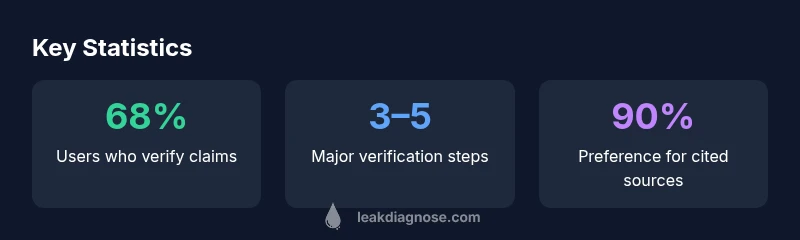
Before sharing or acting on a claim, run through a quick verification workflow: (1) check the primary source and its author; (2) assess whether the information is corroborated by independent outlets; (3) examine the date and context to rule out old, repackaged rumors; (4) seek official statements or court filings if applicable; (5) consider the motive behind the disclosure. For the phrase who leaked olivia popes name, you should also acknowledge the risk of conflating fiction with fact. In home projects, this mindset translates to verifying product claims, manufacturer warranties, and leak-detection results using multiple sources and direct measurements rather than relying on sensational headlines. In short, verification reduces the odds that a rumor becomes a mistaken belief.
Fiction vs reality: Olivia Pope's name in pop culture
Olivia Pope originated as a fictional character in a television series, where intrigue and rumor are plot devices. Distinguishing fiction from reality is essential when evaluating claims about real people or sensitive information. In a DIY context, treat any leak-related claim about real households the same way you would treat a disputed home repair bill: demand documentation, seek independent assessment, and avoid knee-jerk conclusions. This discipline protects you from spreading unfounded assertions and helps maintain trust with neighbors, service providers, and online communities.
Mitigation strategies: prevention and response for households
Preventing leaks starts with data minimization and clear boundaries around who can access what. Practical steps for homeowners include: (1) audit connected devices for unnecessary data sharing; (2) enable strong authentication and encryption on home networks; (3) separate guest networks for smart devices; (4) implement a privacy-by-design mindset in ongoing renovations or repairs. When a leak occurs—whether a data exposure or a miscommunication—respond with a structured plan: identify the source, contain the exposure, verify the extent, and communicate transparently with affected parties. The goal is to neutralize the leak’s impact and restore confidence while maintaining a factual narrative rather than sensational speculation.
Data privacy best practices: from detection to containment
Adopting robust leak-detection and containment practices helps you stay ahead of potential privacy issues. Regularly update firmware, review app permissions, and use password managers to reduce the surface area of exposure. For households, a key tactic is automating alerts for unusual data activity, such as device behavior that deviates from normal patterns. Training family members on safe online habits—recognizing phishing attempts, avoiding simple security mistakes, and reporting suspicious messages—reduces the likelihood that a rumor escalates into a real leak. In addition, maintain a simple incident response plan: who to contact, what to change, and how to document the resolution, so you can recover quickly if a leak occurs.
Ethical considerations and media literacy
Responsible discussion of leaks requires careful language, precise claims, and respect for privacy. When the topic touches fictional content or public figures, clearly label what is fiction versus fact. Practice media literacy by cross-checking sources, avoiding echoes of sensational content, and distinguishing between rumors and verified information. This approach protects your household and enhances community credibility, especially when discussing sensitive topics that could impact reputations or safety.
When to seek professional help: leaks in the home vs online
Some leaks demand professional assistance, such as persistent data-exposure patterns or persistent hardware faults that compromise privacy. If you notice repeated unauthorized access attempts, unexpected device behavior, or data exposure that you cannot isolate, consult qualified privacy or cybersecurity professionals. For households, pairing with trusted technicians or privacy consultants can help design a resilient home network and an incident-response plan that minimizes future risk. In all cases, document findings and decisions, and communicate clearly with stakeholders to maintain trust and minimize confusion.
Examples of leak scenarios and practical mitigations
| Scenario | Typical Exposure | Mitigation Steps |
|---|---|---|
| Household device misconfiguration | Unintended data sharing from smart devices | Review permissions; isolate devices; update firmware |
| Phishing-driven data exposure | Credential compromise via email or messages | Enable two-factor authentication; educate family members |
Questions & Answers
What constitutes a data leak in this context?
In this article, a leak refers to any unintentional exposure of personal or sensitive information, including names, addresses, or device data. It can arise from misconfigurations, weak authentication, or careless sharing. The goal is to recognize, verify, and mitigate such exposures to protect privacy.
A leak means exposed information that should have stayed private, whether it’s a name or device data. Verify and mitigate.
How can I verify whether a leak claim is credible?
Follow a simple verification workflow: check the primary source, look for independent corroboration, note dates and context, and seek official statements. Do not share or act until evidence is clear and verified.
Check the source, corroboration, and dates before you share anything.
Is Olivia Pope a real person, and does that matter for this discussion?
Olivia Pope is a fictional character. Distinguishing fiction from reality helps prevent misinterpretation of leaks involving real individuals. The discussion uses this framing to illustrate verification and privacy practices applicable to real-life scenarios.
Olivia Pope is fictional; the point is about verifying leaks, not about a real person.
What steps can households take to reduce exposure to leaks?
Limit data sharing, strengthen home network security, regularly audit devices, and maintain incident-response plans. These practices minimize leak risk and improve resilience against misinformation.
Limit data sharing and harden your home network to reduce leak risks.
Why is the phrase 'who leaked olivia popes name' used here?
The phrase serves as a case study illustrating how leaks and rumors spread, how to verify information, and how to communicate responsibly—principles that apply to both media discussions and home privacy.
It’s a case-study phrase to discuss leaks and verification, not a factual claim about a person.
“Leaks thrive on ambiguity and rapid sharing; robust verification and clear communication are your first line of defense.”
Main Points
- Audit your connected devices for data-sharing gaps
- Verify claims using credible sources before sharing
- Label fiction vs reality to prevent misinformation
- Implement a clear incident-response plan for leaks
- Educate household members on phishing and privacy best practices