RAM 3rd Brake Light Leak: Diagnose, Fix, and Prevent
Learn how to diagnose and fix a RAM 3rd brake light leak with a step-by-step guide. Discover common causes, safety tips, and proven methods to stop water intrusion and protect electricals.


A RAM 3rd brake light leak is usually caused by a degraded gasket, a cracked light housing, or a blocked drainage channel. Start with the simplest checks: clean and reseal the housing with automotive silicone, inspect the gasket, and test with a controlled water spray. If it still leaks, replace the gasket or light assembly and consider professional resealing.
Common causes of RAM 3rd brake light leaks
Water intrusion around the RAM 3rd brake light is a surprisingly common issue on many pickups. According to Leak Diagnosis, the most frequent culprits are a worn or damaged gasket around the light housing, a cracked or warped light lens, and drainage channels that have become clogged or misaligned. In some cases, a sloppy install after an earlier replacement leaves gaps that allow water to seep in. The ram 3rd brake light leak can manifest as damp carpet near the tailgate, a foggy lens, or a persistent moisture buildup inside the light housing. Understanding these symptoms helps you prioritize checks: seal integrity first, then the lens, then drainage, and finally the mounting hardware.
Safety considerations and prep
Before you touch any electrical components, power down the vehicle to minimize shock risk and protect the airbag system. Wear eye protection and nitrile gloves, and disconnect the negative terminal if you’re comfortable working around the battery. Work in a well-lit area and use a microfiber cloth to avoid scratching the lens. Keep a small flashlight handy to inspect tight corners of the light housing. If the battery disconnect feels beyond your comfort zone, plan to seek professional assistance. Leak Diagnosis emphasizes safe handling and slow, methodical steps to prevent accidental damage.
Visual inspection checklist
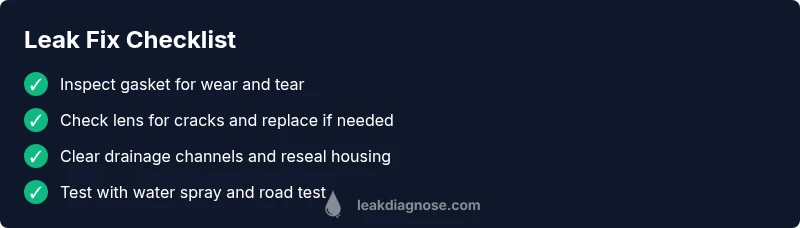
A clear, repeatable inspection is your best ally. Check the following items in this order: (1) exterior gasket around the brake light housing for tears or squashed sections; (2) the light lens for cracks or warping; (3) the housing mounting screws for gaps or loose fit; (4) drainage channels in the tailgate frame for clogs or kinks; (5) the wiring harness for corrosion or moisture on pins. During inspection, use a bright flashlight and a camera to document wear so you can reference it later. If you notice any moisture inside the wiring cavity, treat it as a sign that the seal has failed and needs replacement.
Root-cause diagnostics for RAM trucks
To determine the ram 3rd brake light leak source, perform a controlled water test around the housing and seal area. Start with gentle spray from a hose, focusing on the seam between the light assembly and tailgate skin. If water beads up on the gasket, you likely have a seal issue. If water penetrates from behind the lens, the lens or gasket could be compromised. When water appears at the interior edge of the light, check the drainage channel and tailgate weatherstripping for misalignment. Confirm that the light assembly remains firmly attached; loosening bolts can create micro-gaps that invite moisture. The goal is to confirm a single failure mode to guide repair.
Repair options and approaches
Fix approaches depend on the diagnosed cause. A common, user-friendly fix is resealing the light housing with automotive-grade silicone sealant and replacing a worn gasket. If the gasket is torn or the lens is cracked, replacement of the light assembly is often the best long-term solution. In case drainage channels are clogged, clear them with a flexible brush and ensure the tailgate seal sits correctly. For stubborn leaks, you may need to replace the entire light unit or have the area professionally resealed, especially if there are electrical concerns or persistent moisture inside the housing. Always allow sealant to cure fully before re-testing with water.
Water intrusion test methods
After repairs, perform a thorough test to confirm the fix. Reconnect the battery if disconnected and apply water from the outside around the housing using a spray bottle or light hose. Observe from inside the vehicle (or use a mirror) to detect any seepage. Record the duration of the test and note any areas where moisture reappears. Repeat the test after the cure period and again after a test drive with rain exposure or simulated spray. Document results to verify a successful resolution.
Prevention tips and maintenance
To prevent future ram 3rd brake light leaks, maintain the gasket with periodic cleaning and gentle inspection, replace aging seals proactively, and avoid overtightening mounting screws that can compress seals. Keep the drainage channels clear and ensure the tailgate weatherstripping remains properly seated. If you’ve previously replaced the assembly, verify that you used the correct gasket and that the mating surfaces are clean before resealing. Regular checks after heavy rain help catch issues early.
Steps
Estimated time: 60-90 minutes
- 1
Power down and safety prep
Begin by switching off the vehicle and removing the key. If you’re comfortable, disconnect the negative battery terminal to prevent any electrical shorts while you work around the brake light assembly.
Tip: Always remove power before touching electrical components. - 2
Remove brake light housing
Carefully unfasten the screws holding the light housing and gently detach the wiring harness. Use a plastic pry tool to avoid scratching the paint, and keep fasteners organized for reassembly.
Tip: Keep screws matched to their holes to prevent misalignment. - 3
Inspect seals and lens
Examine the gasket for tears, shrinkage, or deformation. Inspect the lens for cracks, and check the mounting surface for dirt or damage that could create gaps.
Tip: Clean surfaces thoroughly before resealing. - 4
Test drainage and gasket fit
Inspect drainage channels for clogs or misrouting. Refit the light housing to ensure even pressure on the gasket and confirm no gaps around the seal.
Tip: Use compressed air gently to clear channels if safe. - 5
Reseal or replace components
Apply automotive silicone sealant around the seal area or replace the gasket if damaged. If the lens or housing is compromised, install a new light assembly.
Tip: Follow sealant cure times per product instructions. - 6
Reassemble and verify
Reconnect the harness, remount the housing, and reattach fasteners. Reconnect the battery, then perform the water spray test again to confirm the fix.
Tip: Document results with photos for future reference.
Diagnosis: Water leaks from RAM 3rd brake light
Possible Causes
- highDamaged or degraded gasket/seal around the light housing
- mediumCracked or warped light housing
- mediumBlocked or sagging drainage channel from tailgate frame
- lowImproper installation after replacement light or seal
Fixes
- easyInspect seal, clean mating surfaces, and reapply automotive-grade silicone sealant around the housing
- easyReplace damaged gasket or light assembly if seal is compromised
- easyUnblock drainage channels and ensure correct angle of light housing
- mediumIf leaks persist, have a professional reseal or replace the assembly and re-wire
Questions & Answers
What is the most common cause of a RAM 3rd brake light leak?
The most common cause is a degraded or damaged gasket around the light housing, often accompanied by a worn lens. Weather exposure over time can compromise seals, allowing water to seep in.
The most common cause is a worn gasket around the light housing, often with a cracked lens. Weather exposure over time weakens seals.
Can water leaks damage the brake light circuit?
Yes. Water intrusion can corrode electrical contacts in the light harness and affect LED modules. If you see moisture, address the seal promptly to protect the circuit.
Water can corrode the brake light’s electrical connections, so fix the seal quickly to protect the wiring.
Should I replace the entire brake light assembly?
If the gasket is torn, the lens is cracked, or the housing is warped, replacing the light assembly is usually the most reliable fix. Replacing the gasket or resealing may suffice if components are in good shape.
If the gasket or lens is damaged, replace the assembly. Resealing works if the parts are still sound.
Is it safe to drive with a brake light leak?
Driving with a leak is not recommended. Water can short electricals and create corrosion. Address leaks promptly and avoid long exposure to rain or car washes until fixed.
It isn’t safe to drive with a leak. Fix it promptly to prevent electrical problems.
How long does a typical reseal take?
A typical reseal with gasket replacement takes about 30-60 minutes if you have the parts ready and the tools on hand. A full light assembly replacement may take longer depending on access.
Resealing usually takes 30 to 60 minutes; full replacement can take longer depending on access.
When should I call a professional?
If you’re unsure about electrical safety, or the leak persists after resealing or reassembly, seek a professional technician who can diagnose wiring and seal integrity more precisely.
If in doubt, or the leak keeps happening after DIY fixes, call a pro.
Watch Video
Main Points
- Identify the exact leak source before replacing parts
- Seal integrity and lens condition are the most common culprits
- Test after each repair to verify success
- Prioritize safety and consider professional help if electrical components are involved