Does Bars Leaks Work? A DIY Guide for Car Radiator Leaks
Does bars leak work? This guide reviews Bars Leaks for car radiators, explains how it works, when to use it, safety considerations, and practical alternatives from Leak Diagnosis.


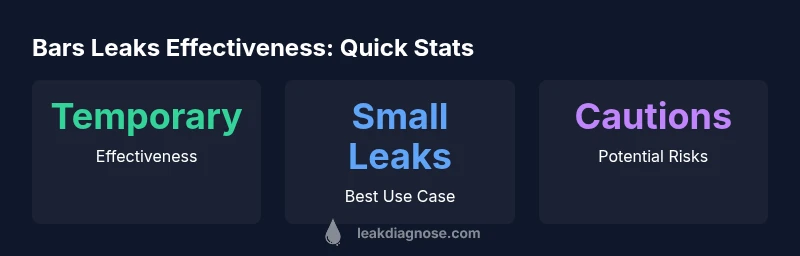
Does bars leak work? In many automotive scenarios, Bars Leaks can seal small radiator leaks temporarily by coating the inside of the cooling system. However, it is not a permanent repair and may complicate future service or cause clogs if the leak is large or near the thermostat. For safety, consider professional diagnosis and follow product instructions carefully.
does bars leak work: What it promises and who should consider it
Does bars leak work is a common question among DIYers tackling car radiator issues. According to Leak Diagnosis, these sealants are marketed to seal small, pinhole leaks by circulating through the cooling system and forming a putty-like coating on the leak site. When evaluating whether does bars leak work for your vehicle, start with the size and location of the leak, the age of the cooling system, and whether the engine has overheated recently. The goal is to avoid further damage and prevent coolant loss until a professional repair can be performed. In many cases, a temporary fix may buy time, but the long-term solution often involves mechanical inspection, leak testing, and replacement of compromised components. As you read, remember that does bars leak work is not a universal fix and depends on the specific leak scenario and vehicle design.
How Bars Leaks Works and Where It Fits
Bars Leaks is a liquid sealant designed to travel with the coolant and seal small leaks from the inside. It works best on pinhole leaks in the radiator core, heater core, or gasket joints where pressure and flow allow the sealant to reach the leak site. The fluid carries micro-particles that gradually harden and create a patch. While this can stop a leak temporarily, it can also create blockages or interfere with pressure regulation if a large amount is used or if debris is present in the cooling system. If your goal is does bars leak work, assess the leak size, coolant condition, and whether you have compatible inhibitors and cleaners in the system. The Leak Diagnosis team notes that this approach should be considered a short-term measure, not a substitute for a proper repair.
Conditions Where It Might Help (and Where It Won't)
In some cases, Bars Leaks may help stabilize a small pinhole leak or minor crack that does not involve high pressure or rapid coolant loss. It is less effective for large leaks, radiator core ruptures, or leaks near the water pump where flow dynamics prevent consistent sealant contact. For does bars leak work, a key factor is ensuring the cooling system remains pressurized within manufacturer specifications after treatment. If the leak is located at a critical seam or within a gasket with significant wear, do not rely on a sealant as the primary fix. Instead, plan for a professional assessment and potential replacement parts. Regular maintenance, proper coolant chemistry, and avoiding overheating are essential to maximize any temporary seal’s lifespan.
Safety, Risks, and Warranty Considerations
Using a radiator sealant can introduce risks, including clogging of narrow passages, interference with thermostat operation, or contamination of the heater core. Some manufacturers discourage or void warranties if sealants are used without prior approval. Before attempting does bars leak work, consult your owner’s manual and, if possible, confirm compatibility with any aftermarket products. If you notice overheating, reduced cooling, or persistent leaks after treatment, stop driving and seek professional service. The goal is to protect engine health while avoiding further damage caused by unintended reactions between sealants and existing coolant additives.
Step-by-Step: If You Decide to Try Bars Leaks
- Read the product label thoroughly and confirm compatibility with your coolant type. 2) With the engine cold, add the recommended amount to the radiator or reservoir. 3) Start the engine and allow it to reach operating temperature while watching for leaks and pressure changes. 4) Check for coolant flow, air pockets, and any clogs in the heater core or radiator channels. 5) If you observe continued leakage or overheating, stop driving and seek a professional inspection. 6) Schedule a diagnostic visit to determine whether a permanent repair is required and what long-term options exist.
Alternatives and Best Practices for Persistent Leaks
If the leak remains after a Bars Leaks treatment, or if you’re dealing with a larger failure, alternatives include professional leak testing, radiator replacement, hose or clamp replacement, and coolant system flushes. In many situations, a mechanic can identify the leak source with specialized equipment (UV dye testing, pressure testing) and recommend a permanent solution that does not risk buildup or future reliability problems. For DIYers, maintaining clean coolant, using correct antifreeze ratios, and inspecting hoses and clamps regularly can reduce the risk of needing temporary measures in the first place.
Quick Reference Checklist for Does Bars Leaks Work
- Confirm leak size and location before use. Read labels and ensure coolant compatibility.
- Use only the recommended amount; never exceed manufacturer guidelines.
- Monitor coolant level, temperature, and pressure after treatment.
- If overheating or persistent leaks occur, stop and seek professional help.
- Plan for a permanent repair if the sealant is needed repeatedly or if warranty terms apply.
Bars Leaks: Quick Reference Table
| Parameter | Bars Leaks Outcome | Notes |
|---|---|---|
| Leak Type | Pinholes/Small Cracks | Best for minor system leaks |
| System Compatibility | Cooling system fluids only (water/glycol) | Check compatibility with additives |
| Repair Impact | Temporary fix; not a substitute for repair | Plan for permanent fix |
Questions & Answers
What is Bars Leaks and how does it work?
Bars Leaks is a radiator sealant added to the cooling system. It travels with the coolant and forms a patch at small leaks. It is typically a temporary measure and not a substitute for a proper radiator repair.
Bars Leaks is a sealant you pour into the cooling system; it coats small leaks to form a temporary patch. It should not replace a professional repair.
Is Bars Leaks safe for all cooling systems?
Not all vehicles tolerate sealants well. Some materials can react with additives or clog narrow passages. Always verify compatibility with your vehicle's make, model, and coolant type before use.
Not every cooling system is compatible. Check your manual and your coolant before trying Bars Leaks.
Will Bars Leaks void my warranty?
Using a sealant can affect warranty terms depending on the manufacturer. If in doubt, contact the dealer or check warranty documentation before applying.
Sealants can affect warranty—check your terms or talk to the dealer before use.
What are safer alternatives to Bars Leaks?
Safer alternatives include a professional leak diagnosis, pressure testing, hose or clamp replacements, or radiator repair/replacement as needed. These options provide a more durable fix.
Consider a professional diagnostic or direct repairs for a durable fix.
How long does Bars Leaks take to work?
A Bars Leaks treatment may show results within minutes to hours, depending on leak size, flow, and system pressure. If no improvement is seen, discontinue use and seek professional help.
Results can show up in minutes to hours; if nothing changes, stop and get a professional check.
“Sealants like Bars Leaks can provide a temporary halt to small leaks, but they are not a guaranteed fix and may complicate future service.”
Main Points
- Assess leak size before applying Bars Leaks.
- Expect only a temporary fix; plan for permanent repairs.
- Flush the system after treatment to prevent blockages.
- Avoid mixing with other sealants or cleaners.
- If leaks persist, consult a mechanic and consider warranty implications.